AI & SaaS
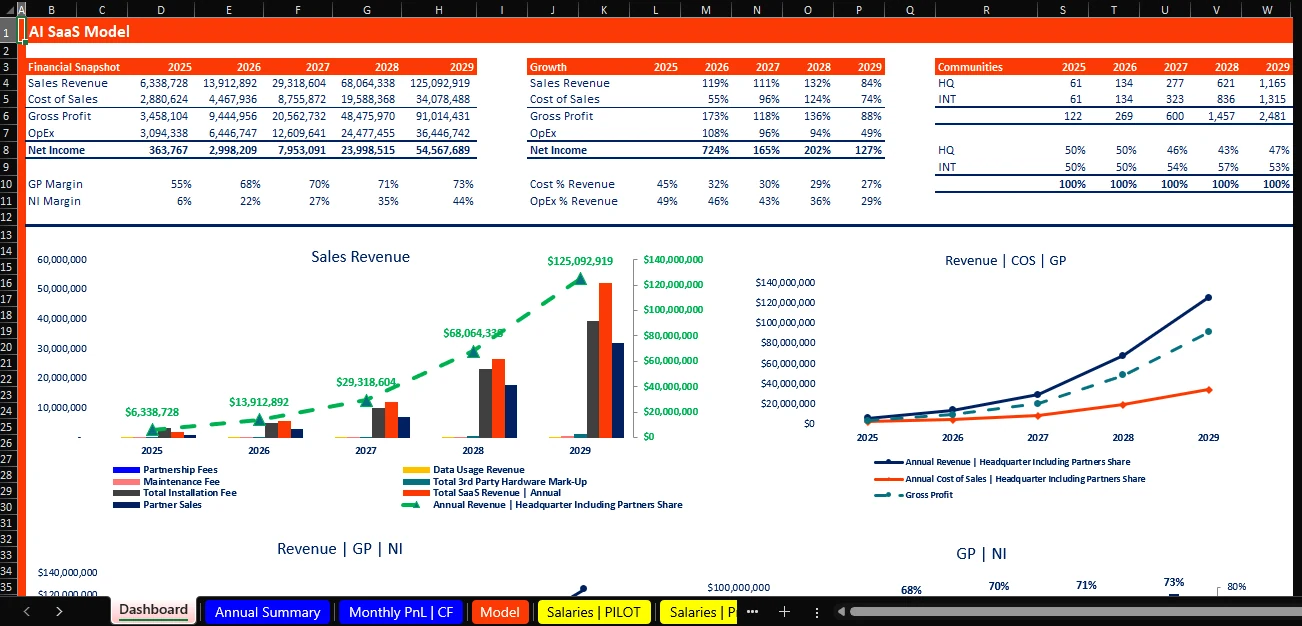
AI SaaS operating model
Scenario-driven revenue, cost, margin and community growth dashboard for an AI SaaS business.
Related service →Financial modeling, valuation and FP&A for startups, growing businesses and investors. From operating forecasts to independent model reviews, every engagement is built on clear assumptions and defensible analysis.
ACCA membership certificate · FMVA® · Credit ratings, capital markets, FP&A and valuation experience

Shahzaib Khalid
Financial Modeling Expert · Fractional CFO support · Valuation & FP&A
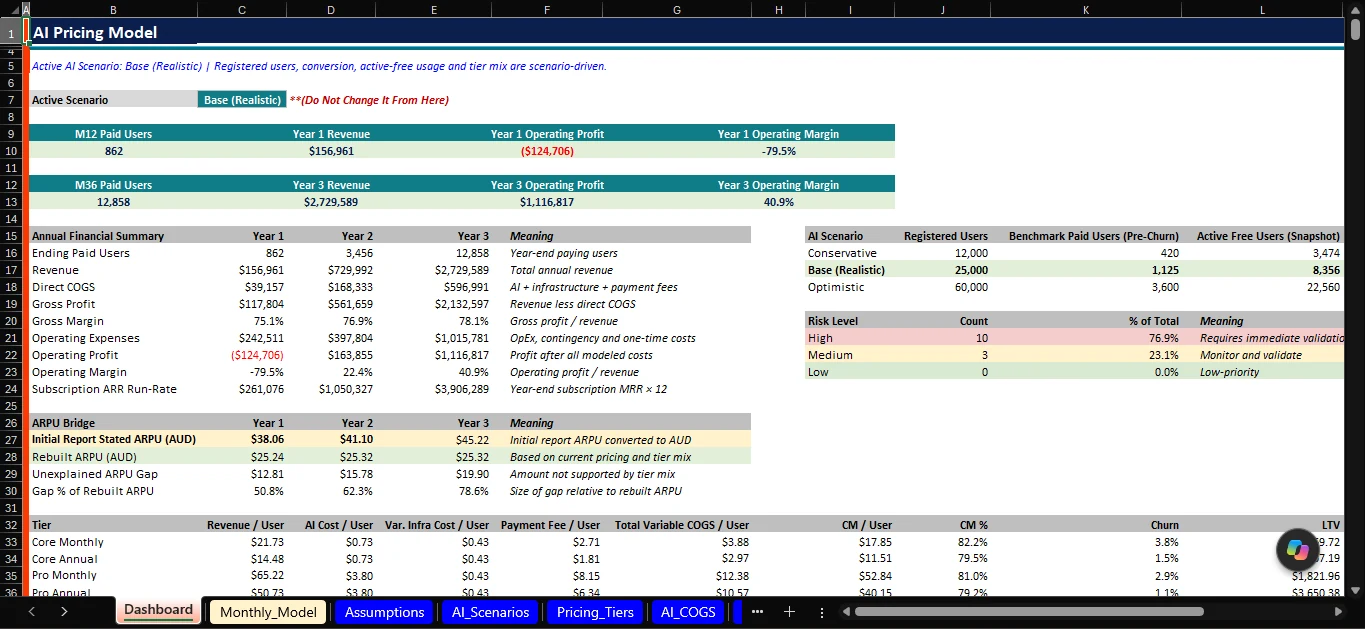
One example of a scenario-driven pricing and unit-economics model built for AI software decision-making.
Explore selected financial models and dashboards, showing the structure, level of detail and analytical approaches behind my engagements.
Scenario-driven revenue, cost, margin and community growth dashboard for an AI SaaS business.
Related service →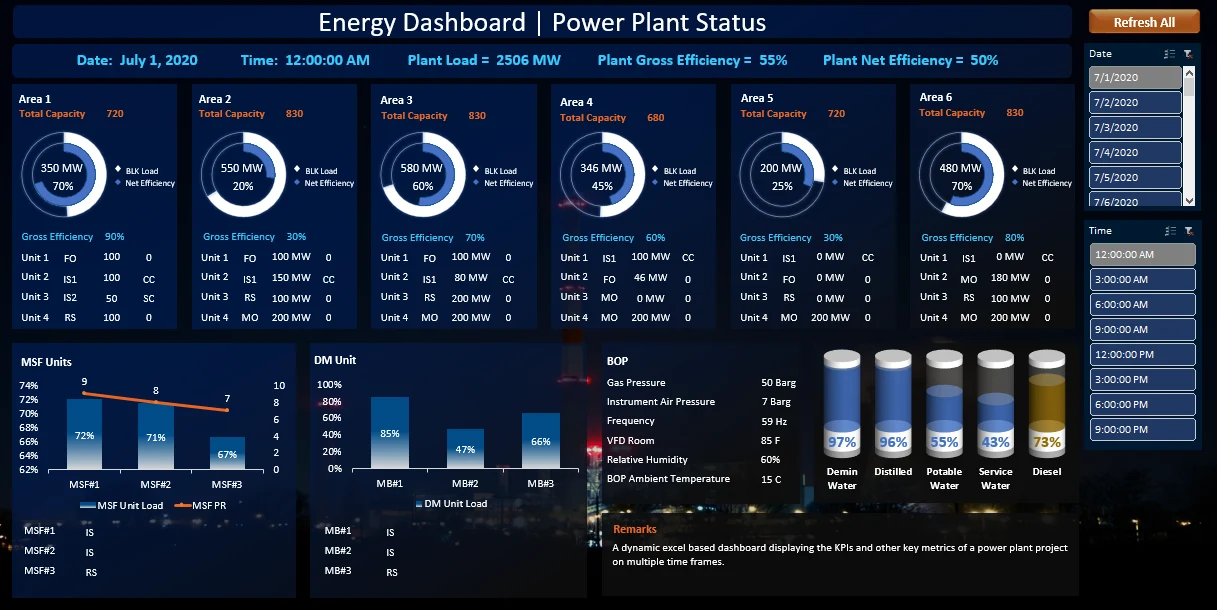
Interactive Excel dashboard showing operational performance, gross efficiency and plant status by area.
Related service →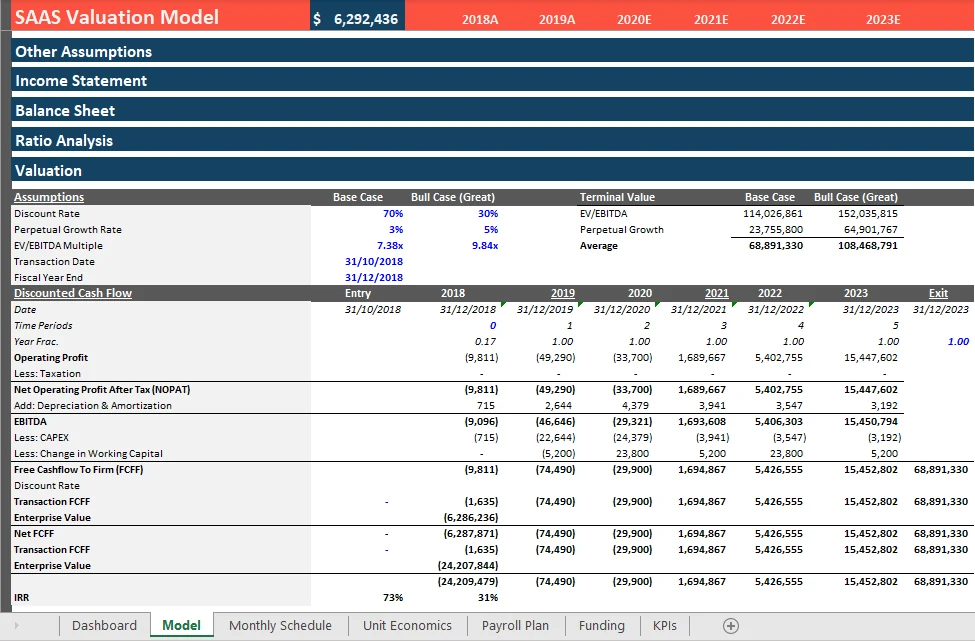
Operating forecast connected to discount-rate assumptions, FCFF and terminal value.
Related service →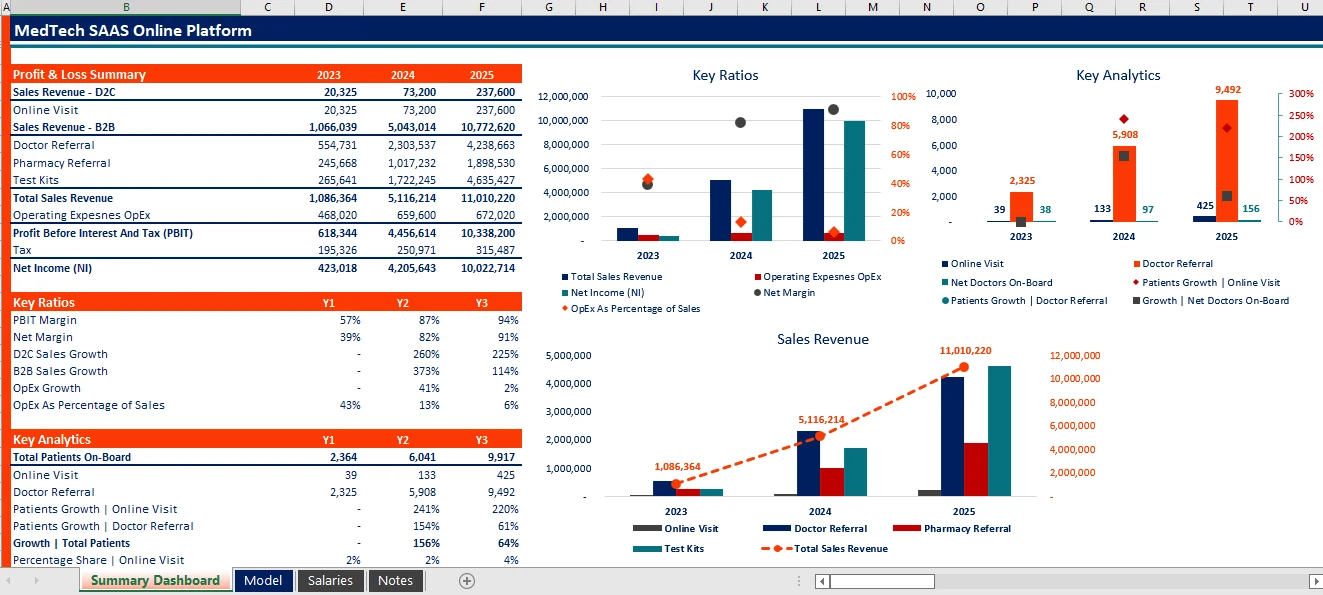
MedTech SaaS dashboard showing D2C sales, B2B revenue, referral channels and operating profitability.
Related service →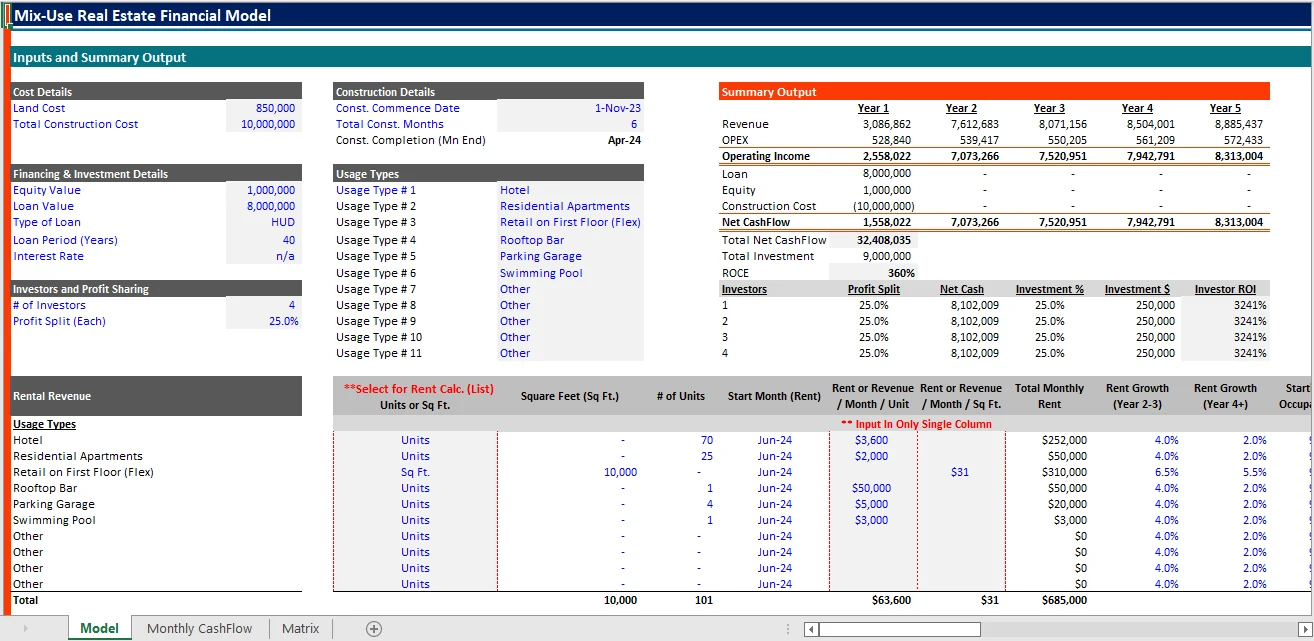
Integrated development model combining hotel, apartments, retail, financing and investor returns.
Related service →Tier mix, conversion, ARPU bridge and AI cost per user validation for subscription pricing.
Related service →Selected screenshots are sample workbook views supplied by Shahzaib Khalid for portfolio use. Sensitive client information should only be displayed with permission.
Typical assignments cover business planning, fundraising, pricing, cash flow, real estate feasibility, dashboards, costing and independent model review.
Revenue drivers, retention, pricing, headcount, runway, scenario analysis and board-ready outputs.
Explore startup models →Three-statement models, budgeting, 13-week cash flow and dashboards for management decisions.
Explore FP&A work →FCFF, WACC, terminal value, sensitivities, comps support and valuation logic that can be explained.
Explore valuation work →Tier design, AI cost curves, conversion assumptions, ARPU rebuilds and scenario comparison.
Explore pricing work →Sources and uses, construction phasing, operating assumptions, debt and investor return frameworks.
Explore real estate models →Risk-based recalculation, discrepancy testing and concise technical reports with defined limitations.
Explore model review →A model is only as valuable as the decisions it supports. Every engagement is structured around clear assumptions, transparent calculations and useful reporting.
Discuss your objectives, current information and the financial questions your model needs to answer.